From Barrel to Pump: How Crude Prices Reach a Fuel Bill
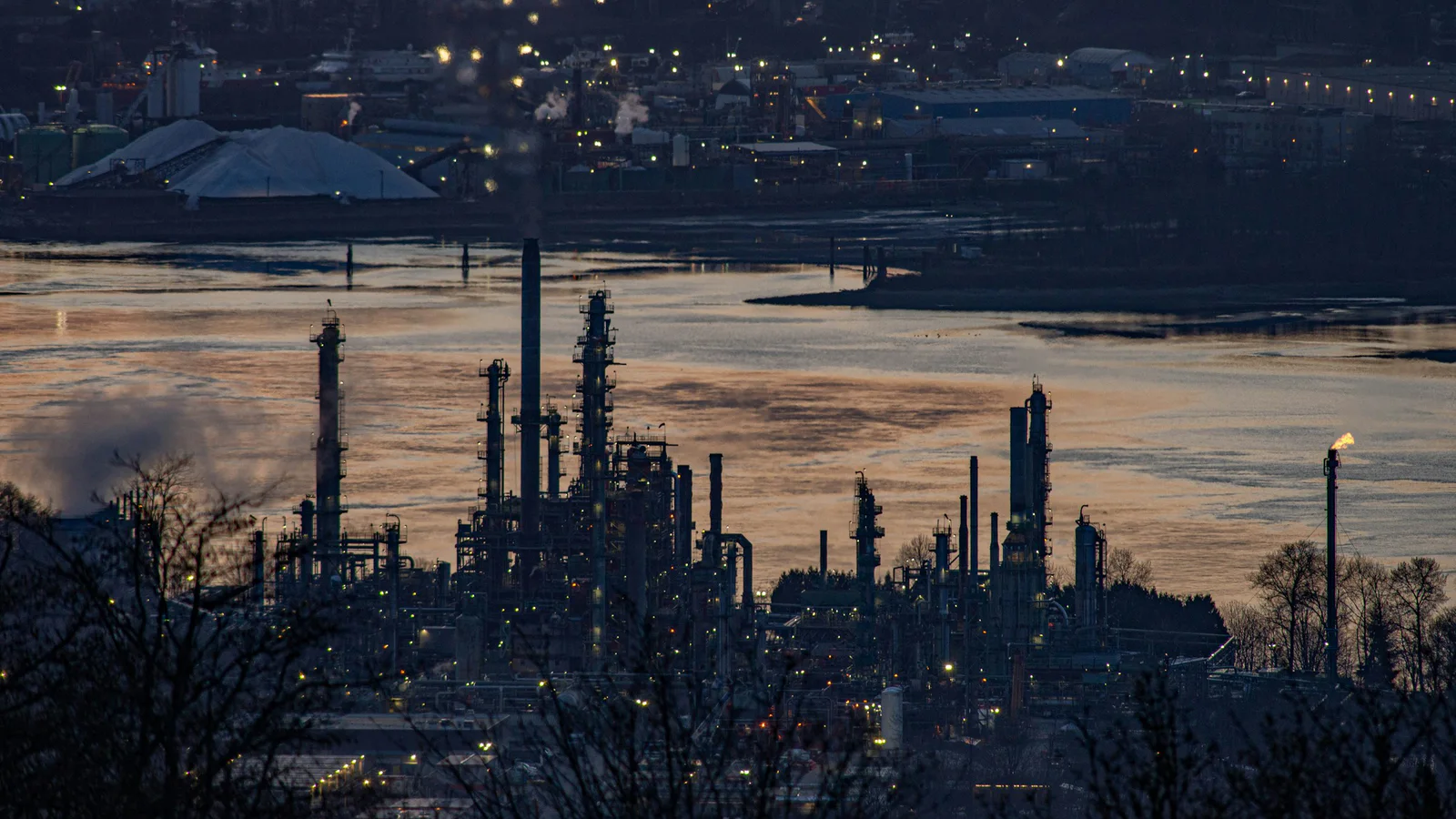
Image: Anthony Maw / Unsplash
A crude-oil quote and a gasoline sign describe different products at different points in a supply chain. The connection is real, but there is no permanent rule that crude is exactly half of the pump price or that a daily oil move appears immediately at every station.
Source check: 27 July 2026. This article describes U.S. retail gasoline; other countries have different taxes, regulations, and supply chains.
Four components
The U.S. Energy Information Administration lists four broad components of retail gasoline:
| Component | What it includes |
|---|---|
| Crude oil | The refinery feedstock, influenced by global benchmark prices, grade, and transport |
| Refining | Processing costs, fuel specifications, utilization, outages, and refinery margins |
| Distribution and marketing | Pipelines, terminals, blending, trucking, stations, and commercial margins |
| Taxes | Federal, state, and local taxes and fees |
EIA says crude oil is generally the largest component, but its share changes over time and across regions. That is more accurate than assigning a timeless percentage.
Why a barrel is not a pump gallon
A barrel contains 42 U.S. gallons, but a refinery produces a mix of products, not 42 gallons of retail gasoline alone. Product yield depends on crude quality, refinery configuration, operating conditions, and demand. Ethanol blending and fuel specifications also affect finished gasoline.
For U.S. gasoline taxes, EIA’s current explainer lists the federal tax at 18.40 cents per gallon and average state taxes and fees at 33.55 cents per gallon as of January 2026. Local and sales taxes can add more, and state averages do not describe a particular station.
Why retail prices move at a different pace
Crude purchased today may enter products sold later. Refineries and distributors hold inventories, contracts use different pricing windows, and stations replace stock at different times. Wholesale gasoline can also move because of local product supply even when crude is stable.
Retail competition matters. A station may change its margin or delay a price change based on nearby sellers and replacement cost. These mechanisms can create lags or temporary asymmetry, but they do not prove that every price increase is immediate and every decrease delayed.
Why regions differ
EIA identifies taxes, distance from supply, transport constraints, local fuel specifications, disruptions, and retail conditions as sources of regional price differences. Its regional gasoline page shows that annual averages vary materially across U.S. petroleum districts.
A national average should not be used as a local quote. Compare the same grade, geography, tax basis, and period.
Which crude benchmark matters?
WTI is a U.S. benchmark priced at Cushing, Oklahoma. Brent is a seaborne benchmark used widely in international pricing. EIA research has found Brent particularly relevant to U.S. gasoline because gasoline and crude participate in international markets.
That does not mean a station applies the Brent price directly. Refinery acquisition cost, regional wholesale product prices, and local conditions sit between the benchmark and the pump.
A reproducible bill analysis
To explain a change in a local fuel bill:
- select the same gasoline grade and location;
- use weekly or monthly retail prices, not a single station anecdote;
- compare matched Brent, WTI, and wholesale gasoline periods;
- identify tax or specification changes;
- check refinery outages and regional inventories;
- distinguish observed values from an EIA forecast.
The result should describe contributions and uncertainty, not claim that one headline oil move caused the entire retail change.
Primary sources
- EIA: factors affecting gasoline prices
- EIA: regional gasoline price differences
- EIA: gasoline prices and outlook
- BLS: motor-fuel CPI methodology
gasolinecrude oilrefiningfuel pricesenergy educationexplainer