Energy and Inflation: How Oil Can Affect CPI
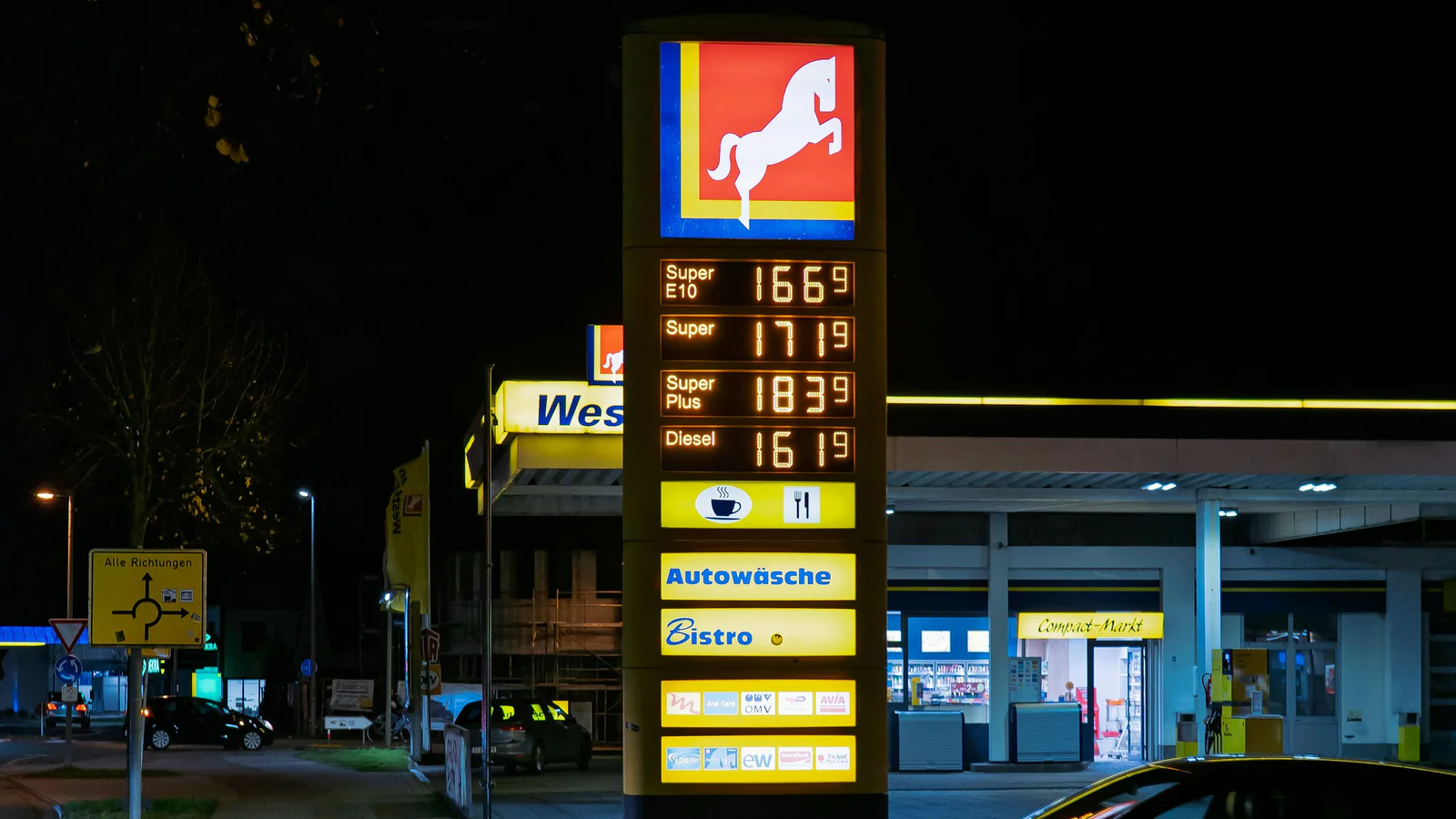
Image: Sergej Karpow / Unsplash
Cheaper crude can reduce inflation pressure, but “oil down equals CPI down” is too simple. Crude oil is not a CPI item by itself, U.S. gasoline prices reflect more than crude, and indirect cost changes can be absorbed in margins rather than passed to consumers.
This article explains the mechanism. It is not a forecast of inflation, interest rates, or financial markets.
Source check: 27 July 2026.
The direct CPI channel
The Bureau of Labor Statistics measures consumer prices for motor fuel and household energy. Its motor-fuel factsheet reports that motor fuel represented 2.981% of CPI relative importance in December 2025, including 2.895% for gasoline. Relative importance changes as prices and expenditure patterns change, so it is not a permanent weight.
When retail gasoline or other measured energy prices change, they can affect headline CPI directly. “Core” CPI commonly excludes food and energy, so the initial direct energy move is outside that aggregate.
From crude to gasoline
EIA identifies four components in U.S. retail gasoline prices:
- crude oil;
- refining costs and profits;
- distribution and marketing;
- federal, state, and local taxes.
Crude is generally the largest component, but its share changes over time and by region. Refinery outages, product inventories, seasonal fuel specifications, transport constraints, local competition, and margins can cause gasoline to move differently from crude.
The BLS factsheet also explains a measurement difference: its monthly gasoline index and EIA’s weekly retail series use different time periods. Apparent disagreement can arise from timing even when the underlying price movement is similar.
The indirect channel
Energy is an input to transport, manufacturing, agriculture, heating, and many services. A sustained cost change can affect other prices, but pass-through depends on:
- the energy intensity of the product;
- contracts and hedging;
- inventory and shipping lags;
- competitive pressure and profit margins;
- wages, rents, and other larger costs;
- currency and taxes;
- demand conditions and productivity.
Therefore, an indirect effect on core inflation is an empirical question. It should be estimated over a stated period and model, not described as automatic.
Base effects versus current momentum
Year-over-year inflation compares a price index with the same month a year earlier. A large past energy increase can drop out of that comparison even if current prices are flat. Month-over-month measures answer a different question and may be seasonally adjusted.
Any claim that energy “cooled inflation” should state:
- the exact CPI series;
- month-over-month or year-over-year change;
- seasonally adjusted or not;
- energy item’s weight or contribution;
- comparison period;
- publication date.
A disciplined attribution method
Use the BLS contribution tables to measure the direct effect. Then treat broader pass-through as a separate estimate with a range. Check EIA crude, wholesale product, and retail gasoline series to identify where the change occurred.
A fall in Brent or WTI alone cannot establish the consumer effect. The benchmark, refinery product, geography, and observation dates must match the claim.
Current forecast context
EIA’s 7 July 2026 Short-Term Energy Outlook forecast lower U.S. retail gasoline prices in the second half of 2026 as crude prices fell, while noting that low gasoline inventories and elevated margins would partly offset the near-term decrease. That is a dated agency forecast, not an observed CPI result.
Primary sources
- BLS: motor-fuel CPI methodology and relative importance
- BLS: household-energy CPI methodology
- EIA: factors affecting gasoline prices
- EIA: Short-Term Energy Outlook
inflationcpienergy pricesoilgasolinemacroenergy education